

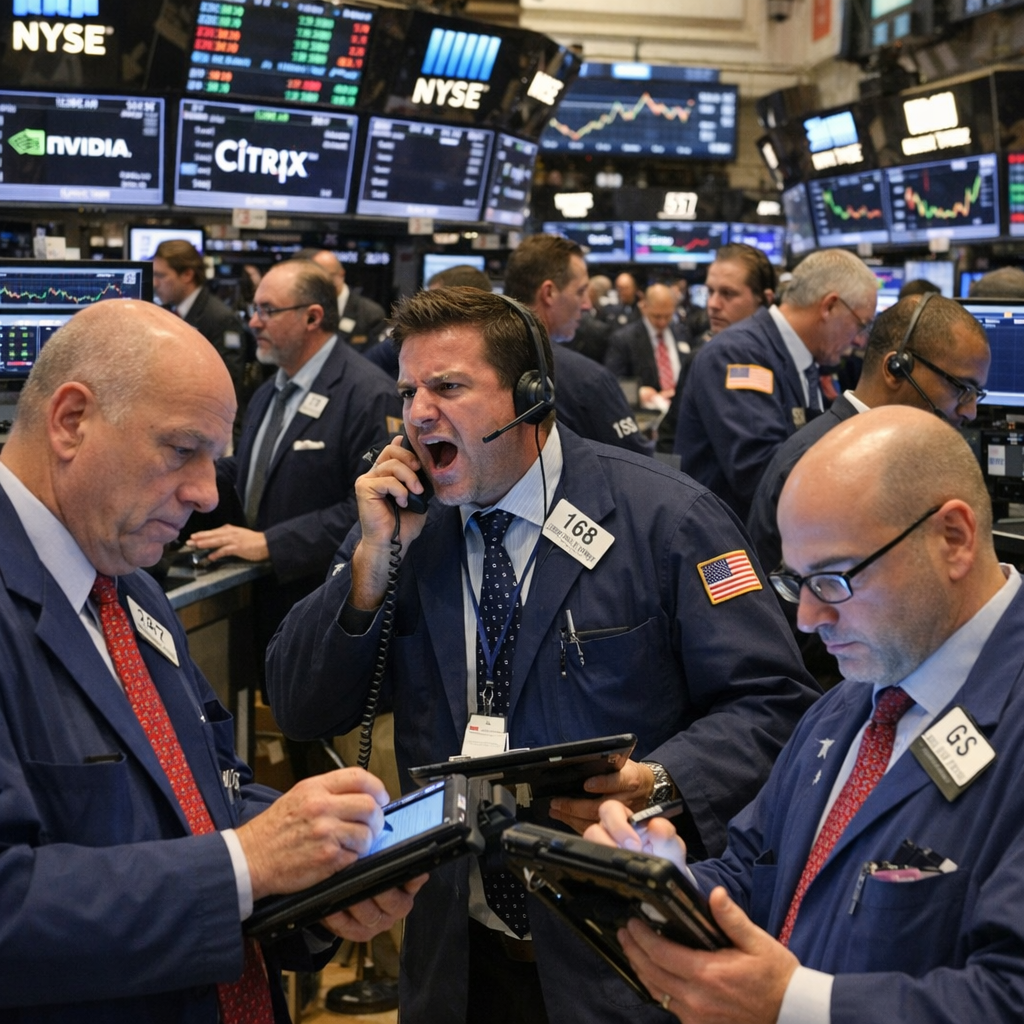
The United States economy has been experiencing a series of developments that are noteworthy for both domestic and international observers. Recent data indicates a complex economic landscape shaped by various factors.
Economic Growth and Employment
According to the International Monetary Fund (IMF), the U.S. economy is projected to grow by 2.4% in the fourth quarter of 2026, an increase from the previous year’s 2.2% growth rate. This growth is accompanied by a decline in unemployment, with rates expected to drop from 4.5% in late 2025 to 4.1% in 2026. The IMF also anticipates that inflation will align with the Federal Reserve’s 2% target by 2027. These projections suggest a positive trajectory for the U.S. economy in the near term.
Inflation and Consumer Prices
Inflation remains a critical concern. In January, a key inflation gauge worsened before the Iran war led to a significant spike in gas prices. The national average gas price rose to $3.61 per gallon, marking a substantial increase. This surge in fuel costs has contributed to higher transportation expenses and overall inflationary pressures.
Public Sentiment and Political Concerns
Public sentiment reflects growing anxiety about the political system. A Gallup poll reveals that approximately one-third of Americans view politics and government as the nation’s most pressing issues. This level of concern is notably higher than in most other wealthy democracies, indicating a unique level of political apprehension within the U.S.
International Trade and Tariffs
Trade policies continue to influence the economic landscape. President Donald Trump has announced plans to raise tariffs on vehicles imported from the European Union to 25%, escalating trade tensions. Such measures have the potential to impact international trade relations and domestic industries reliant on imported goods.
Conclusion
The U.S. economy is navigating a period of growth tempered by challenges such as inflation, public concern over political stability, and evolving trade policies. These factors collectively shape the economic environment, with implications that extend beyond national borders.