

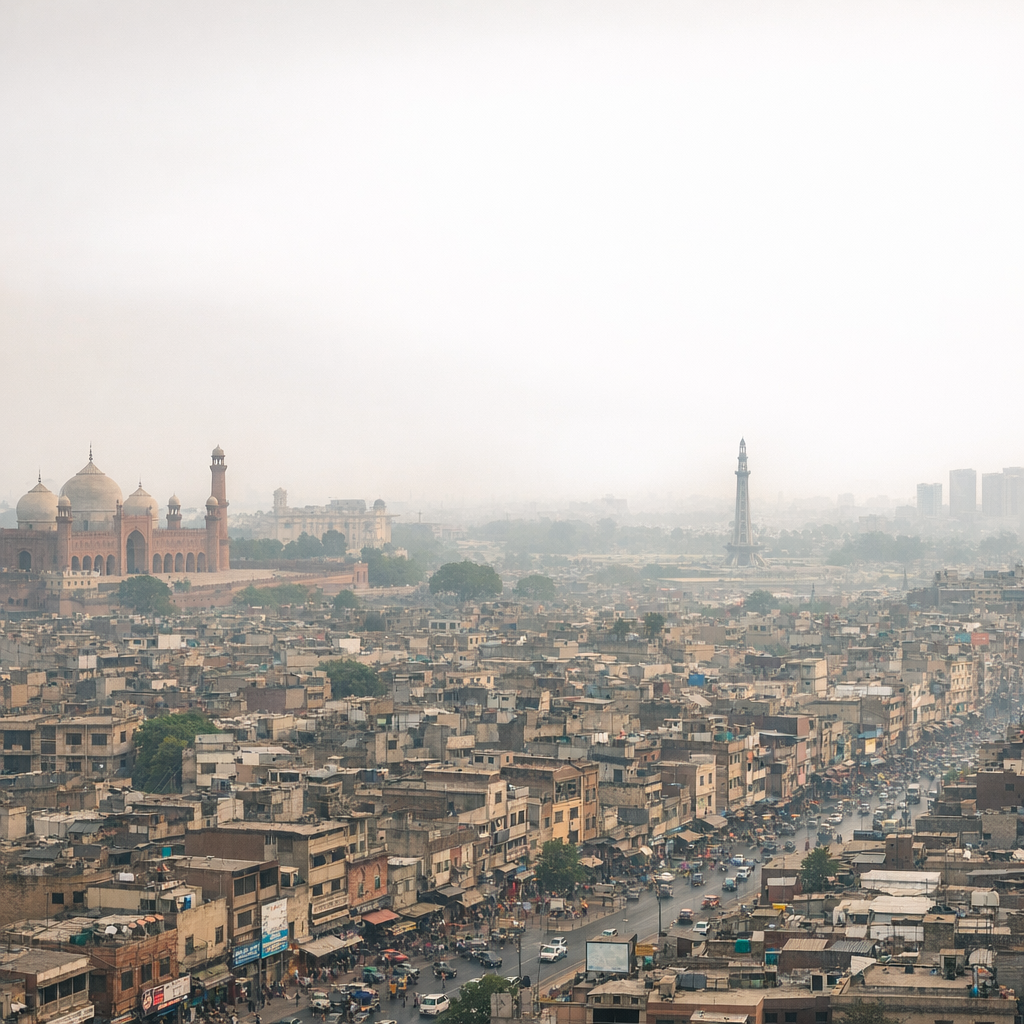
Lahore, the capital of Punjab province, experiences a unique five-season climate that significantly influences the city’s environment and daily life. Understanding these patterns is essential for residents and visitors alike.
The Five Seasons of Lahore
Foggy Winter (November 15 – February 15)
During this period, Lahore experiences cool temperatures accompanied by dense fog, which can reduce visibility and disrupt transportation. Occasional western disturbances bring light to moderate rainfall, providing temporary relief from the fog.
Pleasant Spring (February 15 – April 15)
Spring offers mild temperatures and clear skies, making it an ideal time for outdoor activities. The city comes alive with blooming flora, and residents enjoy the comfortable weather before the onset of summer heat.
Summer (April – June)
Summers in Lahore are characterized by intense heat, with temperatures often exceeding 40°C (104°F). Dust storms and heatwaves are common, and the city experiences the ‘Loo’—hot, dry winds that can be particularly harsh during May and June.
Rainy Monsoon (July – September 16)
The monsoon season brings heavy rainfall and evening thunderstorms, with July being the wettest month. While the rains provide respite from the summer heat, they can also lead to urban flooding and increased humidity.
Dry Autumn (September 16 – November 14)
Autumn sees a gradual decrease in temperatures and humidity, transitioning the city into the cooler winter months. The weather is generally dry, and the cityscape takes on a golden hue as leaves change color.
Environmental Challenges
Air Pollution and Smog
Lahore faces significant air pollution issues, particularly during the winter months when smog levels can rise dramatically. Factors contributing to this include vehicular emissions, industrial activities, and agricultural burning in surrounding areas. In November 2024, the city recorded an Air Quality Index (AQI) of 1900 in certain areas, leading to school closures and advisories for residents to stay indoors.
Urban Heat Island Effect
Rapid urbanization has led to the replacement of green spaces with concrete structures, intensifying the Urban Heat Island (UHI) effect. This phenomenon results in higher temperatures in urban areas compared to their rural surroundings, exacerbating the impact of heatwaves and increasing energy consumption for cooling.
Water Scarcity and Flooding
The variability in precipitation patterns poses challenges for water management in Lahore. During dry seasons, water scarcity can affect agriculture and daily life, while heavy monsoon rains can lead to urban flooding, damaging infrastructure and disrupting transportation.
Conclusion
Understanding Lahore’s distinct climate and associated environmental challenges is crucial for developing effective mitigation and adaptation strategies. Efforts such as urban greening, improved waste management, and sustainable urban planning can help address these issues and enhance the city’s resilience to climate variability.