

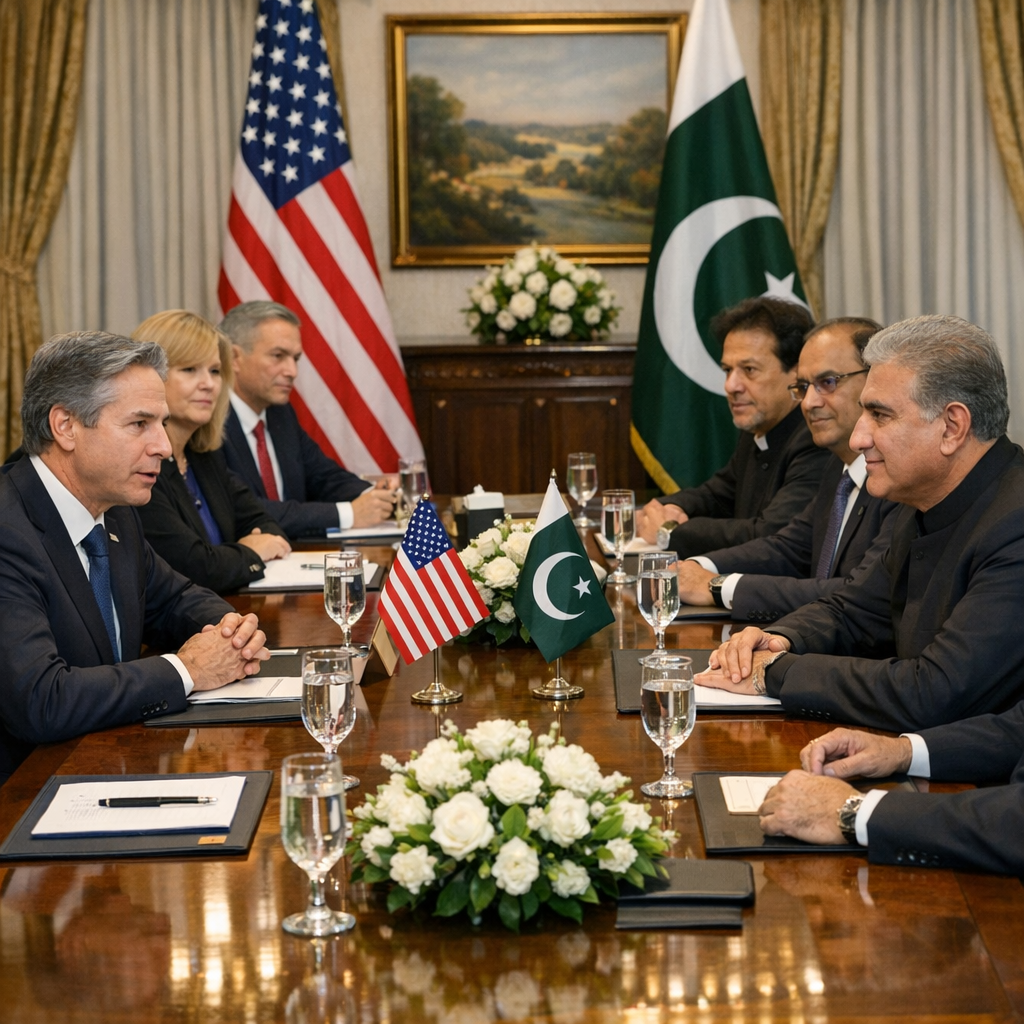
The relationship between the United States and Pakistan has experienced various phases since Pakistan’s independence in 1947. Initially, the U.S. was among the first nations to recognize Pakistan, setting the stage for a partnership that has seen both collaboration and challenges.
Historical Context
From the early days, the U.S. and Pakistan have engaged in diplomatic relations. The U.S. Secretary of State, George Marshall, extended best wishes to Pakistan’s founder, Mohammad Ali Jinnah, during the country’s formative period. This gesture marked the beginning of a relationship aimed at mutual cooperation.
Economic and Military Cooperation
Over the decades, the U.S. has been a significant source of economic aid and military equipment for Pakistan. This support has been instrumental in various sectors, including infrastructure development and defense capabilities. The U.S. remains one of the largest sources of foreign direct investment in Pakistan and is its largest export market.
Challenges and Diplomatic Efforts
Despite periods of close cooperation, the relationship has faced challenges, particularly concerning regional security issues and differing foreign policy objectives. Both nations have engaged in diplomatic efforts to address these challenges, aiming to find common ground and strengthen bilateral ties.
Current Status and Future Prospects
As of 2026, the U.S.-Pakistan relationship continues to evolve, with both countries recognizing the importance of collaboration in areas such as counterterrorism, economic development, and regional stability. Ongoing dialogues and diplomatic engagements are crucial in navigating the complexities of this partnership.
Understanding the nuances of U.S.-Pakistan relations is essential for comprehending the broader geopolitical dynamics of the region. Both nations continue to work towards a relationship that benefits their mutual interests and contributes to global stability.