

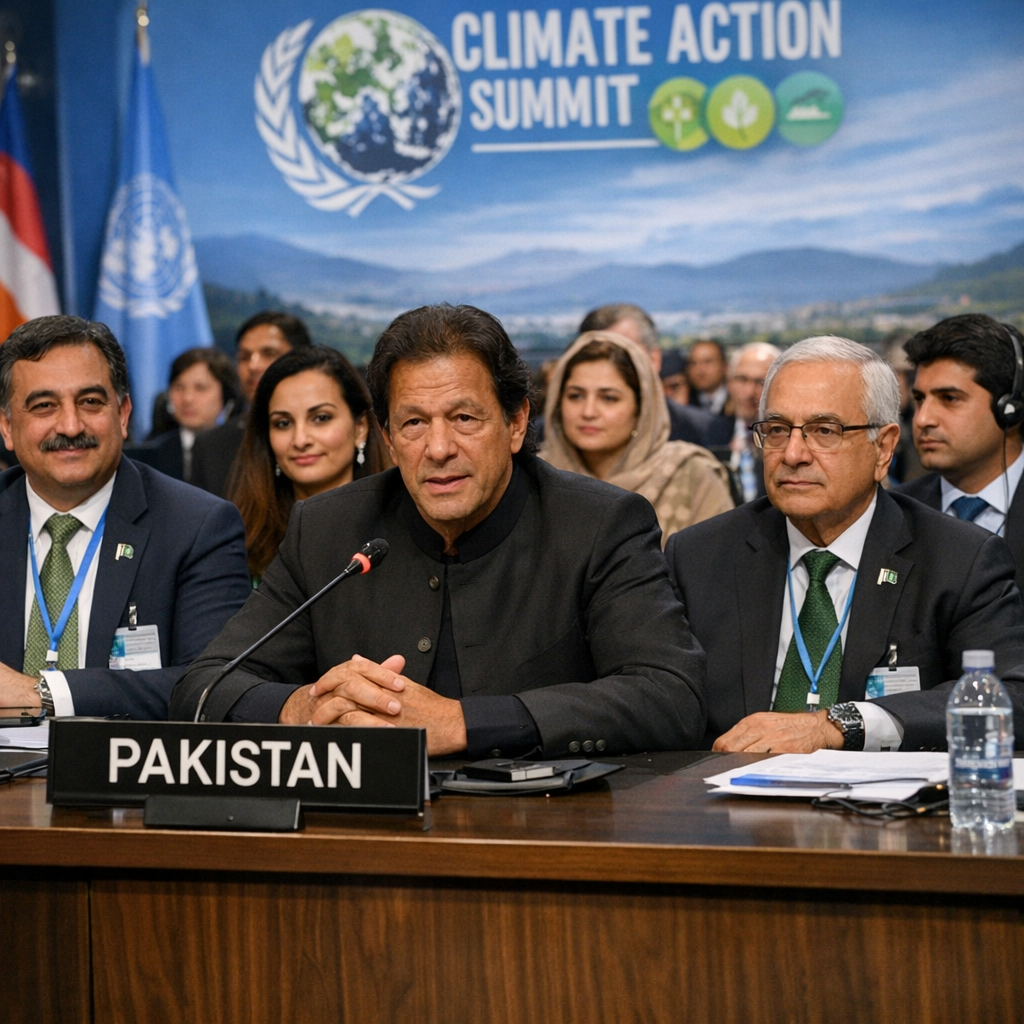
Pakistan has been increasingly active in global climate initiatives, reflecting its commitment to addressing climate change through both international cooperation and domestic policies.
International Engagement
Pakistan has ratified key international agreements, including the United Nations Framework Convention on Climate Change (UNFCCC), the Kyoto Protocol, and the Paris Agreement. These commitments underscore the country’s dedication to global climate action.
In 2022, as the Chair of the Group of 77 and China, Pakistan led developing nations in climate negotiations at COP-27 in Sharm-el-Sheikh, Egypt. A significant achievement was the establishment of a fund to address loss and damage caused by climate-induced disasters, a longstanding demand of developing countries. This initiative gained momentum following the catastrophic floods in Pakistan in 2022, which resulted in losses exceeding $30 billion.
National Policies and Initiatives
Domestically, Pakistan has implemented several policies to combat climate change. The National Climate Change Policy (NCCP) of 2012 serves as the guiding document, acknowledging the risks of extreme natural hazards due to climate change. The policy emphasizes the integration of climate change and energy objectives, particularly in the energy and agriculture sectors.
Reforestation is a key focus, with initiatives like the Billion Tree Tsunami launched in 2014 and expanded to the 10 Billion Tree Tsunami in 2018. These programs aim to increase forest cover, addressing challenges such as flooding, heatwaves, and soil erosion.
Nationally Determined Contributions (NDCs)
Under the Paris Agreement, Pakistan submitted its Nationally Determined Contributions (NDCs), outlining plans to reduce greenhouse gas emissions and adapt to climate impacts. The initial NDC aimed to reduce up to 20% of projected emissions by 2030, contingent on international support. The updated NDCs align with national policies and sectoral growth targets, reflecting Pakistan’s commitment to climate action.
Challenges and the Path Forward
Despite these efforts, Pakistan faces challenges in implementing climate commitments due to institutional inefficiencies, fragmented governance, financial constraints, and technical limitations. Addressing these issues requires enhanced global cooperation, increased climate finance, and capacity-building initiatives.
Pakistan’s active participation in global climate forums and the implementation of national policies demonstrate its commitment to addressing climate change. Continued efforts, both internationally and domestically, are essential to build resilience and mitigate the adverse impacts of climate change.