

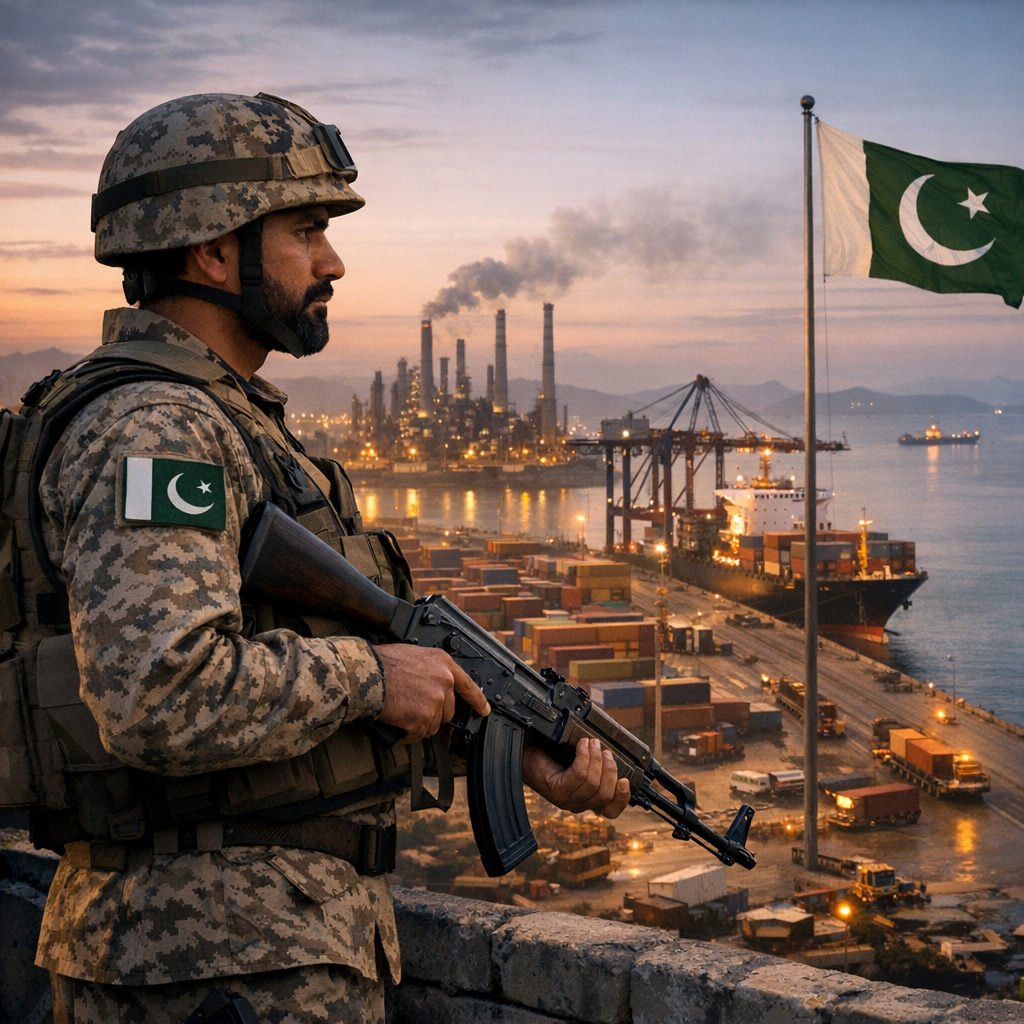
In an increasingly interconnected world, global events have profound implications for nations far beyond their points of origin. Pakistan, with its strategic location and developing economy, is particularly susceptible to such external influences. This article examines recent global developments and their multifaceted impacts on Pakistan.
Escalating Tensions with Afghanistan
Recent months have witnessed a significant deterioration in Pakistan-Afghanistan relations. In late February 2026, Pakistan’s defense minister declared an ‘open war’ against the Afghan Taliban, marking a stark escalation in bilateral tensions. This declaration followed a series of cross-border attacks and retaliatory strikes, leading to casualties on both sides. The conflict has not only strained diplomatic ties but also disrupted trade and heightened security concerns along the Durand Line.
Economic Strain from Global Oil Price Surge
The Middle East conflict has precipitated a surge in global oil prices, directly impacting Pakistan’s economy. In April 2026, the government announced a record fuel price increase of up to 54%, with petrol prices rising by 137 rupees per liter and diesel by 184.49 rupees per liter. These hikes have exacerbated inflationary pressures, increasing transportation and production costs, and placing a heavier burden on consumers, particularly those in lower-income brackets.
Climate Change and Environmental Challenges
Despite contributing less than 1% to global greenhouse gas emissions, Pakistan remains one of the most climate-vulnerable countries. The devastating floods of 2025, which affected over a million people and caused significant infrastructure damage, underscore the country’s susceptibility to climate-induced disasters. Rising temperatures and unpredictable monsoon patterns continue to threaten agricultural productivity and water resources, necessitating urgent adaptation and mitigation strategies.
Security Concerns Amid Regional Instability
Pakistan’s security landscape has been further complicated by regional instability. The conflict between Afghanistan and Pakistan has led to an increase in militant activities along the border regions. In March 2026, the Pakistan Institute for Conflict and Security Studies reported a significant rise in militant violence, with 33 attacks recorded nationwide in a single week, resulting in numerous fatalities and injuries. The government’s counterterrorism operations have intensified in response, aiming to curb the escalating threat.
Conclusion
The interplay between global events and Pakistan’s internal dynamics highlights the need for comprehensive policy responses. Addressing these challenges requires a multifaceted approach, including diplomatic engagement to de-escalate regional tensions, economic reforms to cushion the impact of global market fluctuations, and robust environmental policies to combat climate change. As Pakistan navigates these complex issues, a proactive and adaptive strategy will be essential to safeguard its national interests and promote sustainable development.