

By Ali Ahmed
From Lahore, tracking the evolving landscape in U.S. national politics and law offers clues about power, governance, and what’s next. The Supreme Court’s recent term brought transformative rulings—some expanding presidential power, others placing measurable limits—while major economic trends remain a source of concern for Americans.
What the Court Has Decided
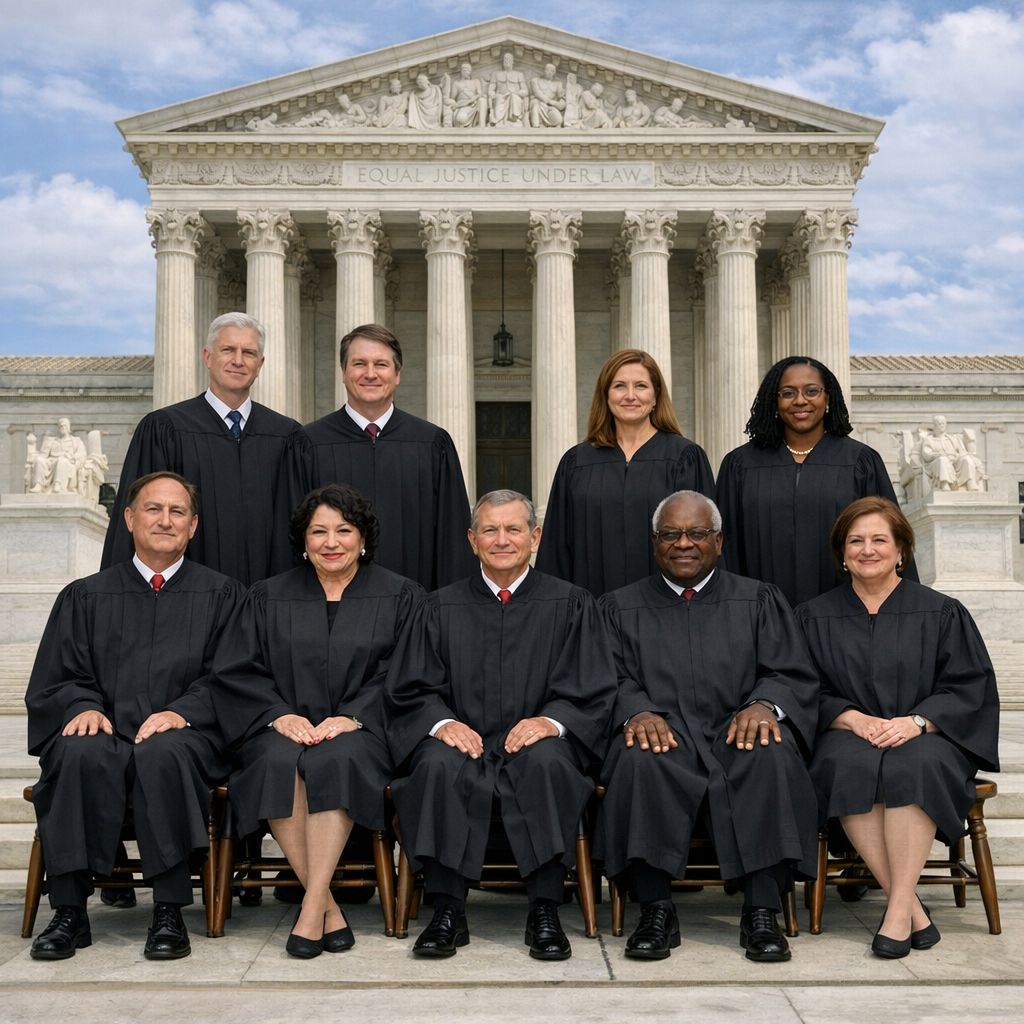
The United States Supreme Court under its 6-3 conservative majority handed wins in several key areas: it bolstered presidential authority over federal agencies by weakening protections that previously insulated agency heads from removal. It also upheld several restrictive immigration policies while simultaneously rejecting efforts to redefine or limit birthright citizenship. However, it drew clear boundaries when it struck down broad tariff powers sought by the executive branch. These rulings together show a mix of expanding executive power in certain realms and notable constraints in others.
Economic Strains and Growth
On the economic front, America continues to show signs of resilience despite headwinds. Real GDP grew at an annualized rate of about 2.1% in early 2026, in line with 2025. Inflation is gradually cooling but remains elevated. Many Americans are squeezed by slow wage growth, high living costs, and energy price fluctuations. Rising interest rates aimed at curbing inflation are adding stress on housing, financing, and business investment.
What’s Ahead: Politics, Elections, and Balance of Power
With congressional elections approaching, debates over voting rights, election administration, and campaign finance have taken center stage. Some recent rulings eased restrictions on how much parties can coordinate spending with candidates, citing free speech protections. Simultaneously, the Court has either upheld or struck down state laws and executive orders related to elections in ways that reflect a careful balancing act between political power and constitutional constraint.
Meanwhile, Americans are closely watching how AI investment, tariffs, and energy policy will play out amid geopolitical tensions, especially with the war in Iran still affecting global markets. The White House faces pressure to manage growth without further destabilizing inflation or eroding trust in institutions.
Why It Matters for Pakistan
If you follow U.S. developments from Lahore, these shifts have importance beyond America’s borders. Decisions on immigration, trade, and international policy affect visas, supply chains, foreign direct investment, and geopolitical alignments. How the U.S. balances executive authority with institutional checks speaks to broader global debates about rule of law and democratic governance.