

By Zain Khan
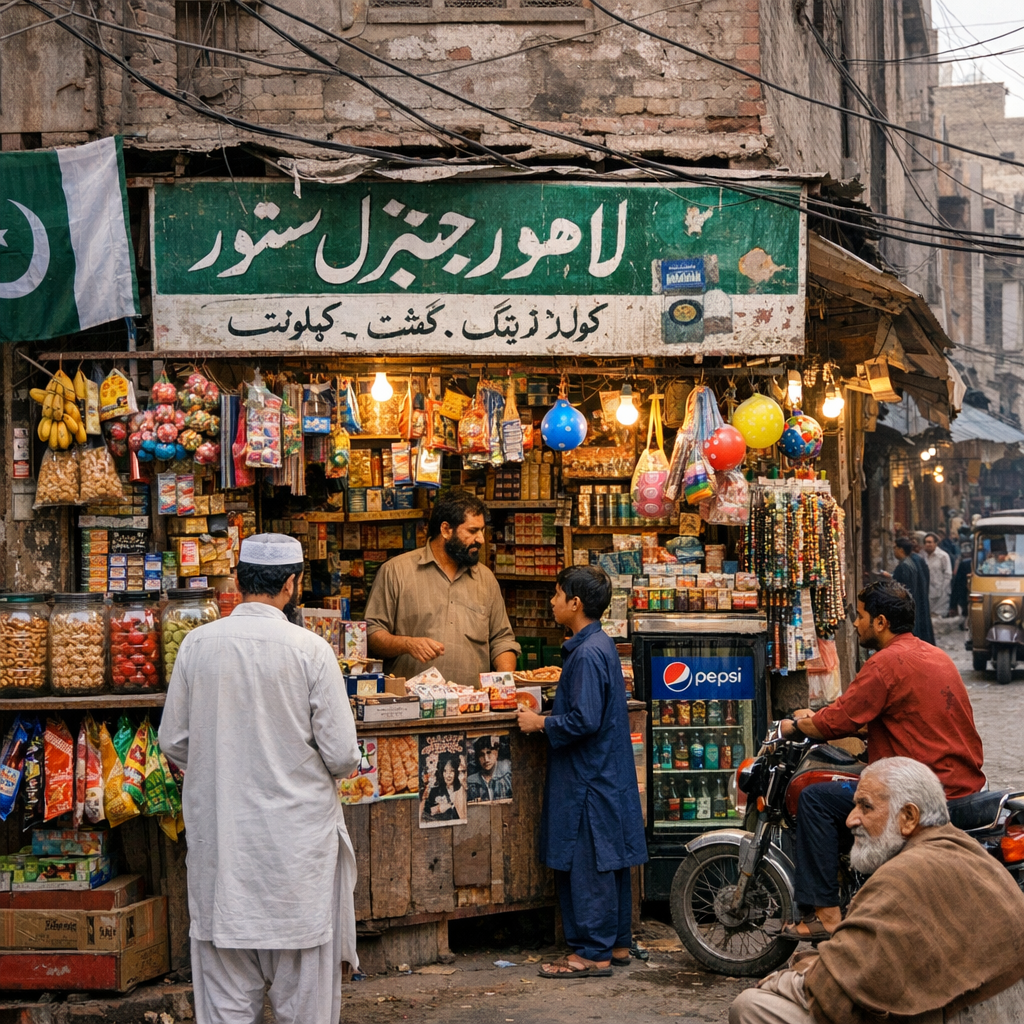
Lahore’s small and medium enterprises (SMEs) are feeling more pressure than ever. From rising labor costs to stringent regulations, many traditional businesses worry they’re staying afloat by a thread. Yet amid these challenges, there are signs that innovation, policy change, and shifting markets could offer a pathway forward for entrepreneurship and economic stability across the city.
The current squeeze on Lahore’s SMEs
One of the biggest immediate shocks has been a mandated minimum wage of Rs43,000 in Punjab, which has disrupted business models that depended on informal, low-paid labor. Retail hubs like Shah Alam Market, Liberty, and Ichhra are adjusting to these changes by reducing staff or adjusting operations — decisions that are difficult for businesses with already tight margins.
Meanwhile, many small auto parts manufacturers and other micro-industries are moving out of Lahore due to the high cost of industrial land and very few incentives or plug-and-play infrastructure from government authorities. More broadly, economic leaders argue that weak investment, policy inconsistencies, and excessive red tape continue to erode competitiveness.
Long-term constraints holding back SMEs
A major barrier is access to finance. Many SMEs in Lahore cannot acquire loans under favourable terms; high interest, strict collateral requirements, and repayment rigidities make many investors and business owners wary.
Another serious limitation is the workforce: businesses cite gaps in skills training and technological capacity, low adoption of modern tools, and poor operational systems. As a result, many firms are confined to low-value-added production, limiting both local growth and export potential.
Urban zoning and infrastructure also matter. Many businesses operate from mixed or residential zones due to strict commercial plot restrictions. High rents, lack of modern storage/warehousing, and regulatory confusion make scaling harder.
Paths toward resilience and growth
Despite the challenges, there are actionable steps that both policymakers and business owners in Lahore can take to strengthen local entrepreneurship.
Modernising operations and skills
Training programs in digital accounting, inventory management and customer service can help retailers improve profit margins. Adopting more efficient tools may seem costly initially, but they can reduce waste, shrink overheads, and allow small businesses to scale.
Businesses which have relationships with large OEMs in industrial clusters like Daroghawala seem to grow faster, especially when they serve as subcontractors. Building stronger linkages with larger manufacturers can provide stable demand and exposure to formal supply chains.
Policy reforms that could make a difference
Easing the burden of compliance — simplifying licensing, tax filings, and bringing informal businesses into formal economy without harsh penalties — would lower barriers to growth and protect labor rights.
Incentives such as affordable industrial-zones or plug-and-play infrastructure, subsidised commercial plots, and targeted credit support could help retain industrial units currently considering relocation out of Lahore.
Building markets and leveraging local advantages
Small retail hubs should modernise storefronts, adopt digital listings, tap delivery arrangements more efficiently, and consider partnerships or collective marketplaces to share infrastructure and reduce costs.
Lahore also has a growing youth population. If paired with robust technical and vocational training, this can produce a workforce with skills needed for higher value production, services, and innovation. Keeping young people engaged in quality employment protects both business performance and social stability.
A balanced future for Lahore’s local economy
For many in Lahore, today’s pressure feels overwhelming. But the same forces squeezing traditional business models — wage reforms, urban growth, demand for improved services — also create new fault lines where innovation can emerge. When small businesses adapt, and when policies are refocused toward fairness, clarity, and support, Lahore can strengthen its SME sector rather than watch it weaken.
The choices Lahore’s authorities and entrepreneurs make now will shape whether the city retains its reputation as a hub of manufacturing, retail, and trade — or sees too many small businesses shut, relocate, or stagnate. With thoughtful collaboration and realistic reforms, there’s every reason to believe Lahore’s SMEs can become more resilient, more productive, and more connected to the broader economy.