

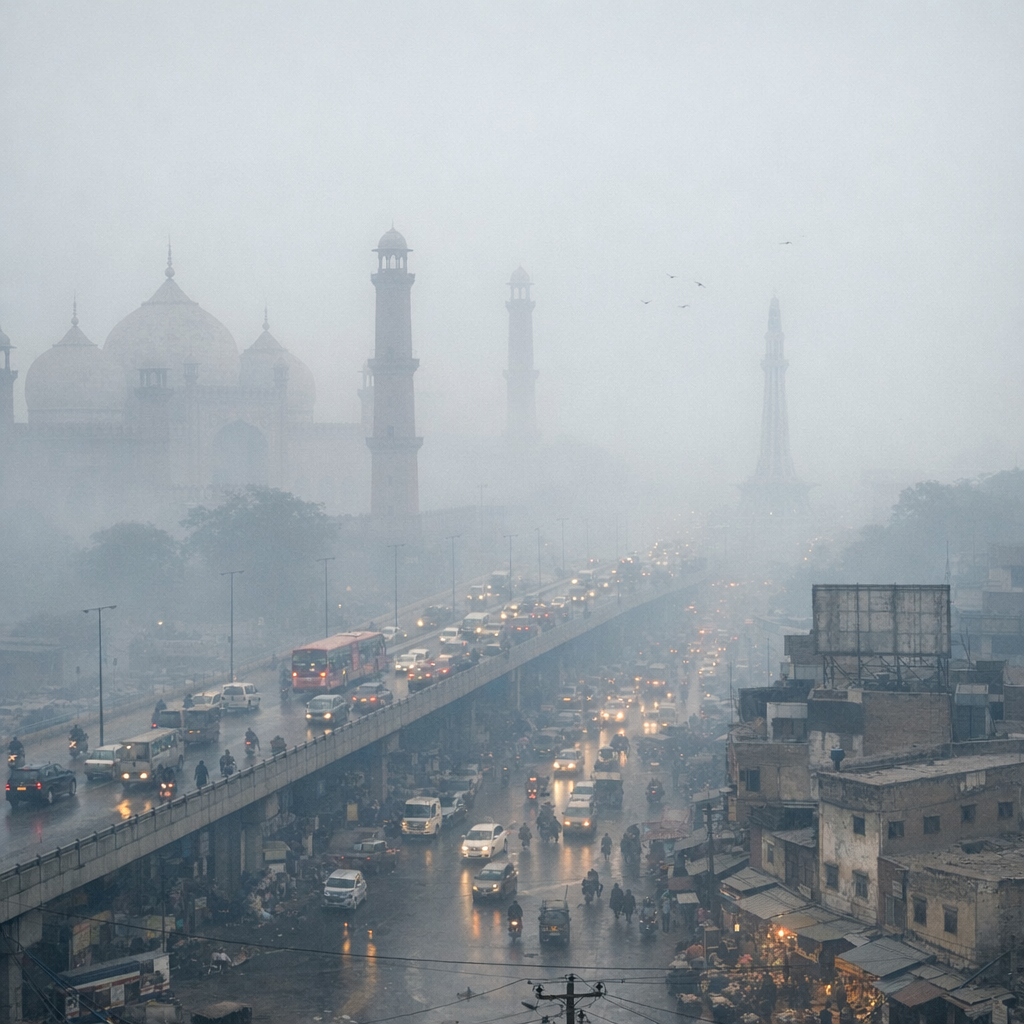
Lahore, the cultural heart of Pakistan, experiences a unique five-season climate that significantly influences the daily lives of its residents. Understanding these seasonal patterns is essential for navigating the city’s weather-related challenges and appreciating its environmental dynamics.
The Five Seasons of Lahore
Lahore’s climate is characterized by the following distinct seasons:
- Foggy Winter (November 15 – February 15): This period is marked by cool temperatures and dense fog, which can reduce visibility and disrupt transportation. Occasional western disturbances bring light to moderate rainfall, providing temporary relief from the fog.
- Pleasant Spring (February 15 – April 15): Spring offers mild temperatures and blooming flora, making it an ideal time for outdoor activities and cultural events.
- Summer (April – June): Summers are characterized by intense heat, with average highs often exceeding 40°C (104°F). Dust storms and heatwaves are common, necessitating precautions against heat-related illnesses.
- Rainy Monsoon (July – September 16): The monsoon season brings heavy rainfall and evening thunderstorms, with July being the wettest month. These rains can lead to urban flooding and traffic disruptions.
- Dry Autumn (September 16 – November 14): Autumn is a transitional period with decreasing temperatures and minimal rainfall, preparing the city for the upcoming winter.
Environmental Challenges
Lahore faces several environmental challenges linked to its climate:
- Urban Heat Island Effect: Rapid urbanization and reduced green spaces have intensified the urban heat island effect, leading to higher temperatures in densely populated areas compared to surrounding regions.
- Air Pollution: The city experiences significant air pollution, especially during winter months. Factors contributing to this include vehicular emissions, industrial activities, and agricultural burning. In November 2024, Lahore recorded an Air Quality Index (AQI) of 1900 in certain areas, prompting authorities to implement emergency measures.
- Monsoon Flooding: Heavy monsoon rains can overwhelm the city’s drainage systems, resulting in urban flooding. This poses risks to infrastructure, public health, and daily life.
Adaptive Measures
To mitigate these challenges, several initiatives have been proposed and implemented:
- Greening Projects: Increasing urban green spaces can help cool the city and improve air quality. Satellite data has shown that areas with more vegetation experience lower temperatures compared to urbanized zones.
- Improved Air Quality Monitoring: Establishing comprehensive air quality monitoring systems can aid in identifying pollution sources and formulating effective policies to reduce emissions.
- Enhanced Drainage Infrastructure: Upgrading the city’s drainage systems can help manage monsoon rains more effectively, reducing the risk of urban flooding.
By understanding Lahore’s unique climate and associated environmental challenges, residents and policymakers can work together to develop strategies that promote a healthier and more sustainable urban environment.